
No time to read the whole thing? We got you. Click here.
After working with dozens of businesses, advising many more, and hearing firsthand about their marketing and design challenges, we've noticed a few common patterns. Here are some things we've learned along the way.
Working with a marketing or design professional should make your life easier, not add another layer of frustration to your to-do list. But getting the best results from the relationship takes more than hiring someone with a great portfolio. It also takes clarity, communication, and trust.
Whether you’re a small business owner who isn’t sure how much you need to know about marketing, a marketing director with a very specific vision, or a manager trying to bring a project together, you might recognize some of these situations:
You want to leave the marketing and design to the experts, but you’re not sure what information they need from you.
You hire someone to bring fresh ideas to the table, but end up giving them so many rules that there’s little room for creativity.
You know what you like when you see it, but you’re not quite sure how to explain it. So you share a few references that look great individually but have completely different styles.

Sound familiar? Don't worry. These situations are common, and a few simple adjustments can make the collaboration much smoother.
1. Start with clarity
Before diving into a project, make sure you and your contractor are on the same page. This means being clear about your budget, scope of work, goals, target audience, timeline, and expectations.
It also helps to share your likes and dislikes. You don’t need to know all the technical terms or have a fully developed creative vision. That’s part of what you’re hiring a professional for! But the more context you provide, the better equipped they’ll be to make informed decisions.
Clarity saves time, money, and unnecessary revisions. It gives everyone a shared starting point and helps prevent misunderstandings later.

When the client sends you 12 references that have absolutely nothing in common.
2. Communicate beyond “I like it” or “I don’t like it”
Marketing and design are not exact sciences. What looks “nice,” “professional,” or “modern” to you might mean something completely different to your contractor. Instead of saying, “I don’t like this design,” try explaining what isn't working for you and especially tie it to your audience; you are the expert in the people and communities you serve. Is it too formal? Does it feel too playful for your audience? Is the text difficult to read? Does it remind you of a competitor you want to stand apart from?
Be specific about what you see, what you don't like, and how it makes you feel. These details help your contractor understand your perspective and translate it into actionable changes.
And remember, there’s a learning curve when you start working with someone new. You’re both learning how the other thinks, communicates, and approaches problems. Give that relationship a chance to develop. If you hired someone because you liked their work, help them understand what attracted you to it in the first place. Share the examples you loved, explain what stood out, and work together to bring those qualities into your project.
3. The tighter the budget, the more specific you need to be
Not every business has the budget for multiple rounds of experimentation, and that's okay. A good contractor should be able to work within your resources and help you prioritize.
However, when the budget is limited, clarity becomes even more important.
If you have less room for exploration, you'll need to provide more direction upfront. Share your goals, references, requirements, and priorities as clearly as possible. Identify what's essential and where there's room for flexibility. This doesn't mean you need to come up with all the solutions yourself. It means helping your contractor understand the problem they're being hired to solve.
The goal is to spend less time guessing and more time creating something that works.
4. Remember: impact and immediate results aren't the same thing
You've been using your new logo for a few months, and you're already tired of looking at it. Maybe you're tempted to change your color palette, redesign your social media templates, or try a completely different visual direction. Before you do, take a step back.
Getting bored with your branding doesn't necessarily mean it's no longer working.
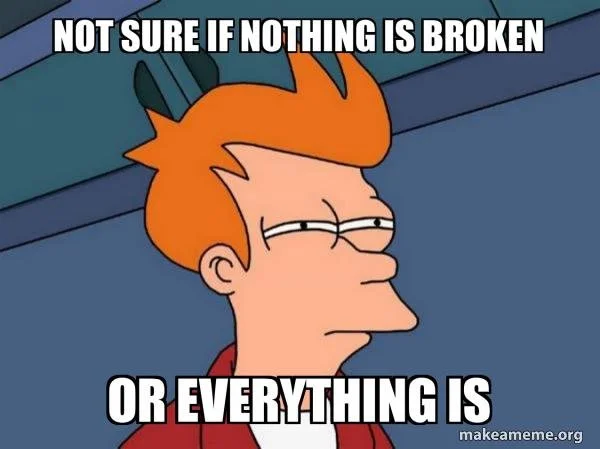
“Not sure if my branding needs a refresh or I'm just bored of looking at it.”
We live in a saturated visual world where audiences encounter countless brands, messages, and images every day. Consistency helps people recognize your business and build familiarity and loyalty with it over time. There is no way around it.
Of course, your marketing should evolve as your business grows, and some strategies will need adjustments. But changing your visual identity every time you crave something new can make it harder for your audience to recognize and remember you.
Give your strategy time to work. Define what success looks like, measure meaningful results, and make decisions based on evidence rather than boredom alone.
5. Trust the experts you hired
You hired a marketing or design contractor for a reason. Maybe you loved their portfolio, appreciated their approach, or recognized that they had experience you didn't have in-house. Remember that when it's time to make decisions.
Your input matters. You're the expert on your business, your customers, and your goals. Your contractor brings a different kind of expertise: understanding how to translate those goals into effective marketing and design.
The best results happen when those perspectives work together. That doesn't mean you have to agree with every recommendation. It means being open to hearing the reasoning behind it before dismissing an idea. Ask questions, share your concerns, and allow your contractor to explain why a particular approach might work.
You don't have to know how to do their job. You do need to give them the information and trust they need to do it well.
6. Make your feedback clear, concise, and actionable
When you receive a first draft, you might have twenty different reactions. That's completely normal! The trick is to organize those thoughts before sending them over.
Start by writing down everything that comes to mind. Then review your notes and separate them into three categories:
Must-haves: Requirements that need to be addressed, such as incorrect information, accessibility issues, or elements that don't align with your goals.
Important preferences: Changes that would improve the work but might be open to discussion.
Nice-to-haves: Personal preferences or small details you could let go of if they don't affect the project's goals.
This simple exercise helps you distinguish between what truly needs to change and what might simply be different from what you expected. Consolidate your feedback into one document instead of sending multiple messages throughout the day. Be specific, prioritize your comments, and give your contractor a clear understanding of what needs attention.
You'll make the revision process easier for everyone and help keep the project moving forward.
Great work is a collaboration
Hiring a marketing or design contractor doesn't mean you have to become a marketing expert overnight. It also doesn't mean you should step away completely and expect someone else to figure out everything about your business.
The sweet spot is collaboration.
Bring your knowledge of your business, your audience, and your goals. Your contractor brings their professional experience, creative perspective, and strategic thinking. Combine those strengths with clear communication, realistic expectations, and mutual trust, and you're much more likely to get the results you're looking for.
At Buenas Causes Studio, we believe good marketing starts with understanding people. And that includes the people you're working with, too.
Looking for a marketing and design partner who can help you connect the dots? Let's talk about your goals and how we can help bring them to life.
